
Green claims are cheap. Numbers are not.
We audit what a camp, lodge or operator actually does, score it against evidence, and publish the reasoning to the client. No badges without proof, no proof without a site visit.

Six things, checked on site
Water. Source, litres per guest night, greywater use, borehole records.
Waste. Separation at source, glass and plastic volumes, where it truly ends up.
Energy. Solar capacity against generator hours, cold room load, laundry.
Buying. Share of food and materials bought within the county.
People. Pay against local rates, contracts, housing, promotion of local staff.
Land. Fees paid to conservancies, guest density, off road rules and how they are enforced.
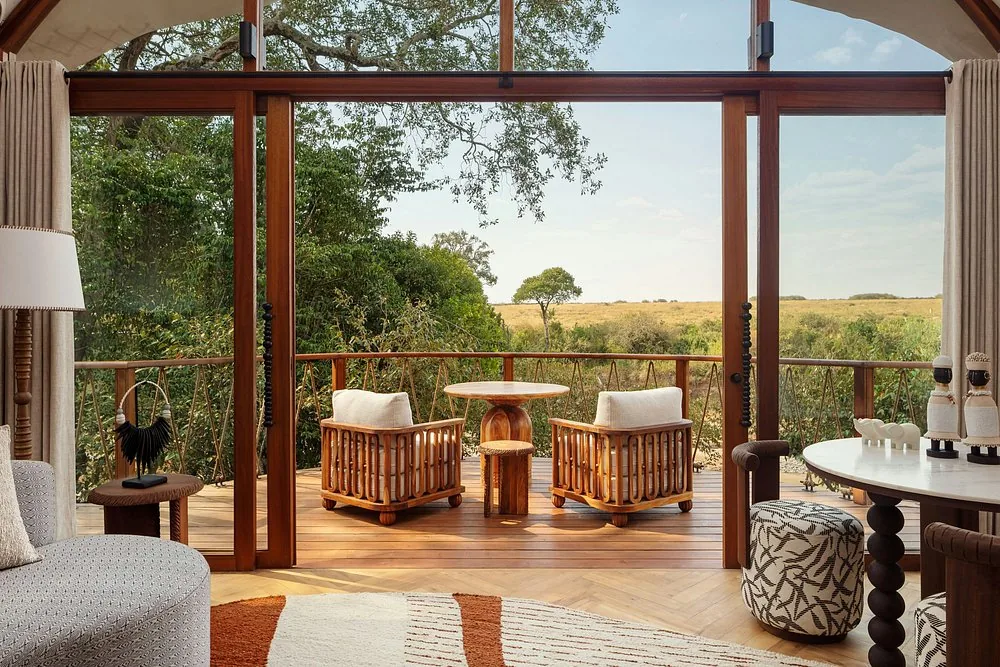
Audit visits take two to three days. We speak to kitchen staff and housekeeping, not only management.
How a score is built
Each of the six areas is scored out of one hundred from documents and observation. We publish the weakest area first, because that is the one worth fixing. Example scoring from a Mara camp audit, shared with permission.
Ratings are advisory. They are not a certification and we charge the same fee whatever the result.
Questions worth asking any camp
Where does your water come from
A good answer includes a number and a season. A vague answer usually means nobody is measuring.
What do you pay the landowners
Conservancy camps should be able to state a bed night fee and a lease figure without checking.
Who is the most senior local person here
If every manager was flown in, the training pipeline is not working.