
Wildlife stays where the land pays for itself
Kenya keeps most of its wildlife outside national parks, on land people own and graze. Tourism either helps those families keep that land open, or it does not. We work on the part that decides which.
The money and the rules
Lease and bed night fee structures that hold in a low season, not only in August.
Ranger unit costs, patrol coverage and what a camp can realistically fund.
Guest caps and vehicle rules per conservancy block, written and enforceable.
Human wildlife conflict funds, including how a claim is verified and paid.
Cultural visits with consent, a fixed fee and a say for the women who host.
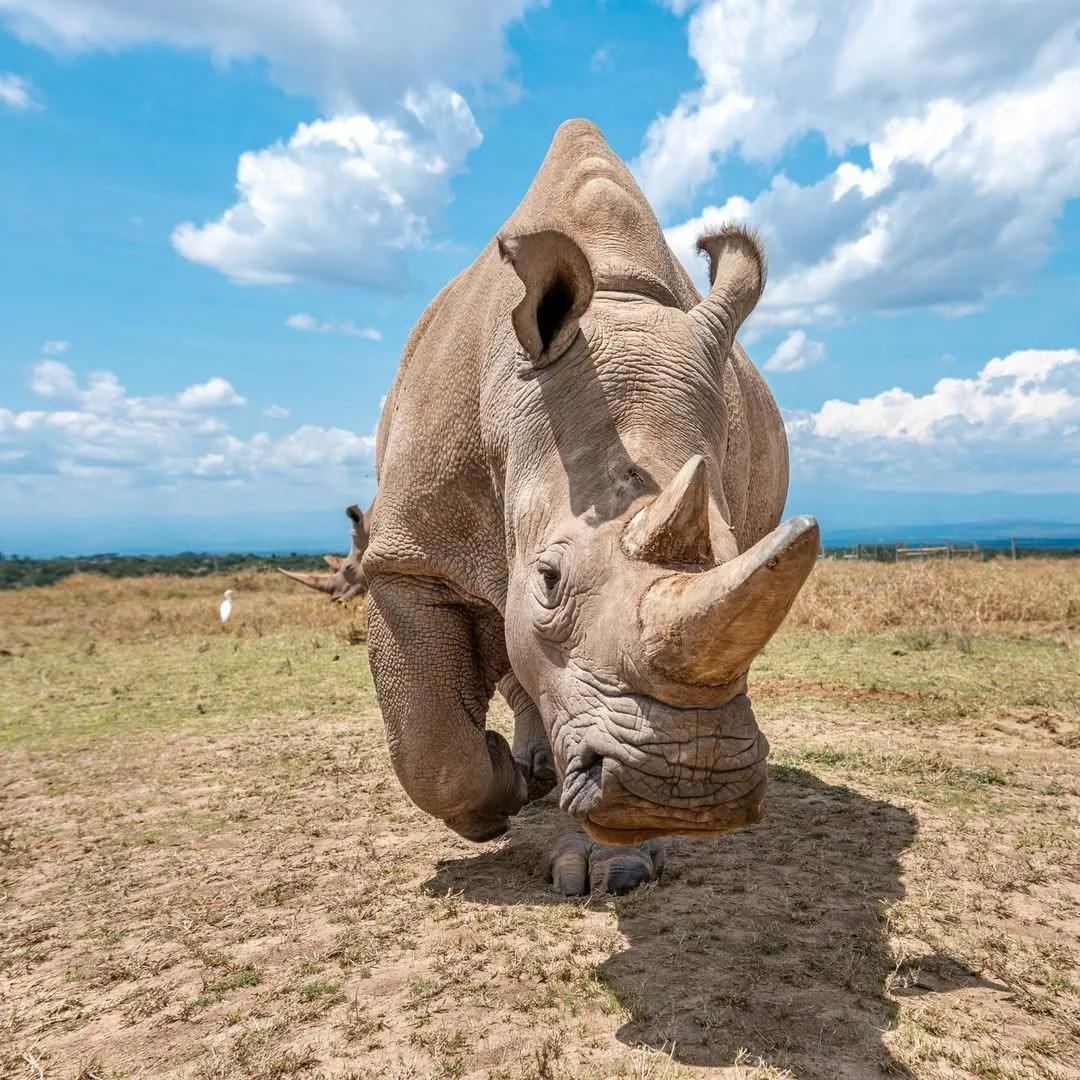
Rhino work needs security budgets that outlast one funding cycle. We help camps and conservancies plan that far out.
Rules we ask operators to sign
Distance first
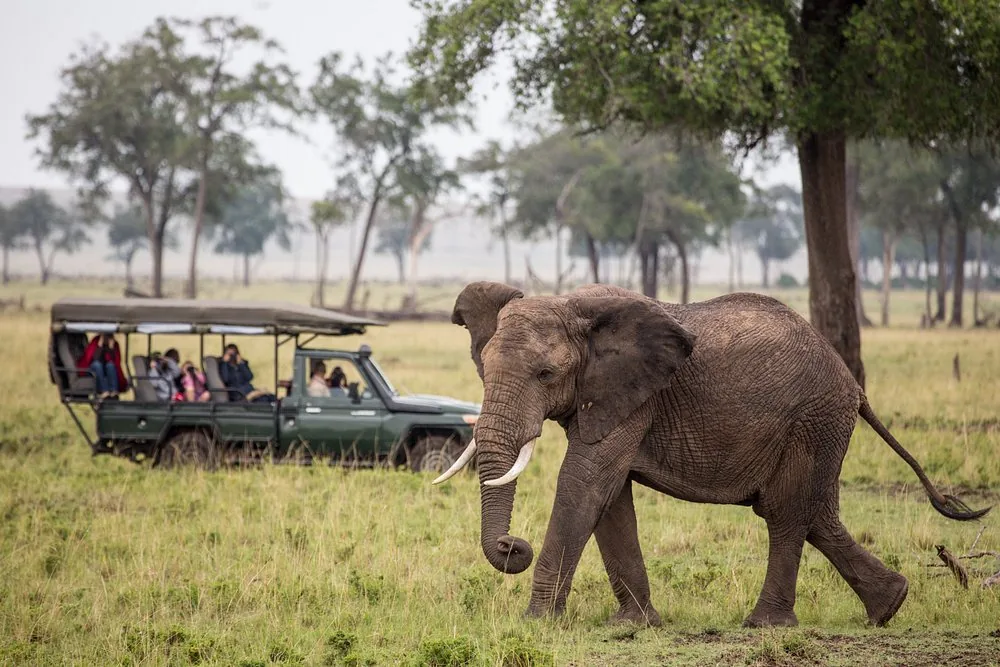
Animals decide the distance. Engines off, no encircling, and the sighting is left before the animal moves away.
Stay on track
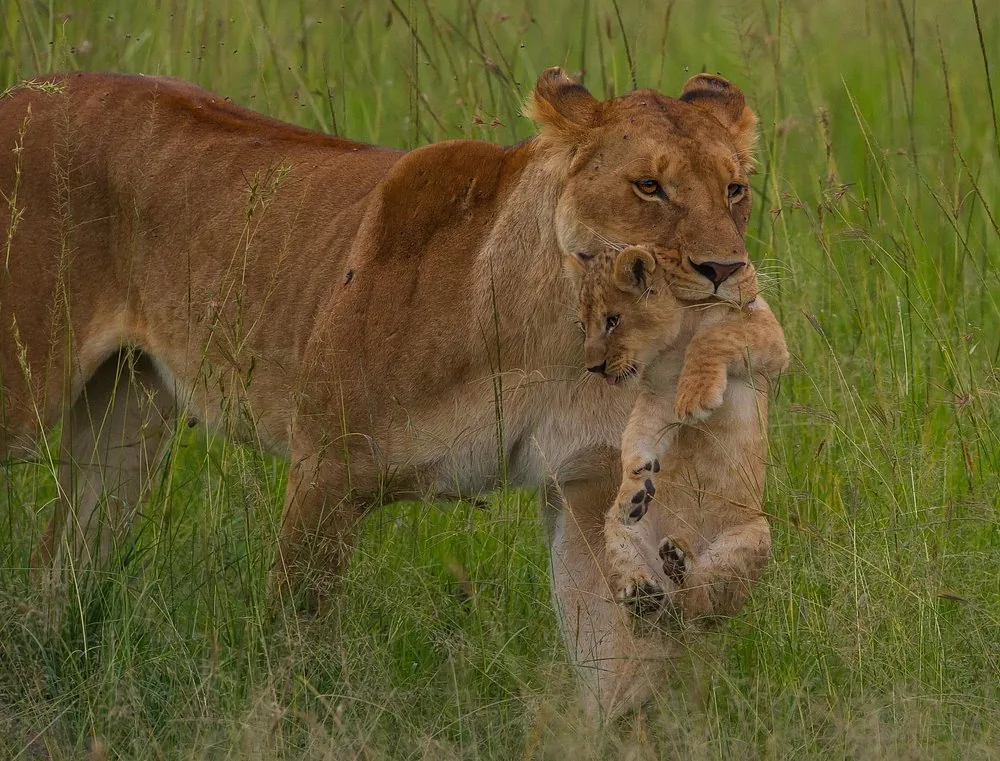
Off road only where a conservancy permits it in writing, and never for a cat with cubs or a kill.
Three vehicles maximum
Others queue at distance. Guides rotate out after ten minutes, and guests are told why on day one.
Report what you see
Collared animals, snares, injured wildlife and fence damage go to the conservancy the same day.
Operators who have done the work with us
We do not take a fee from these listings and we do not sell trips. Approach them directly. Each one has completed an audit and holds a current improvement plan.
Mara conservancy specialists
Narok. Four vehicles, conservancy only routing, guides on permanent contracts.
Nairobi day tour collective
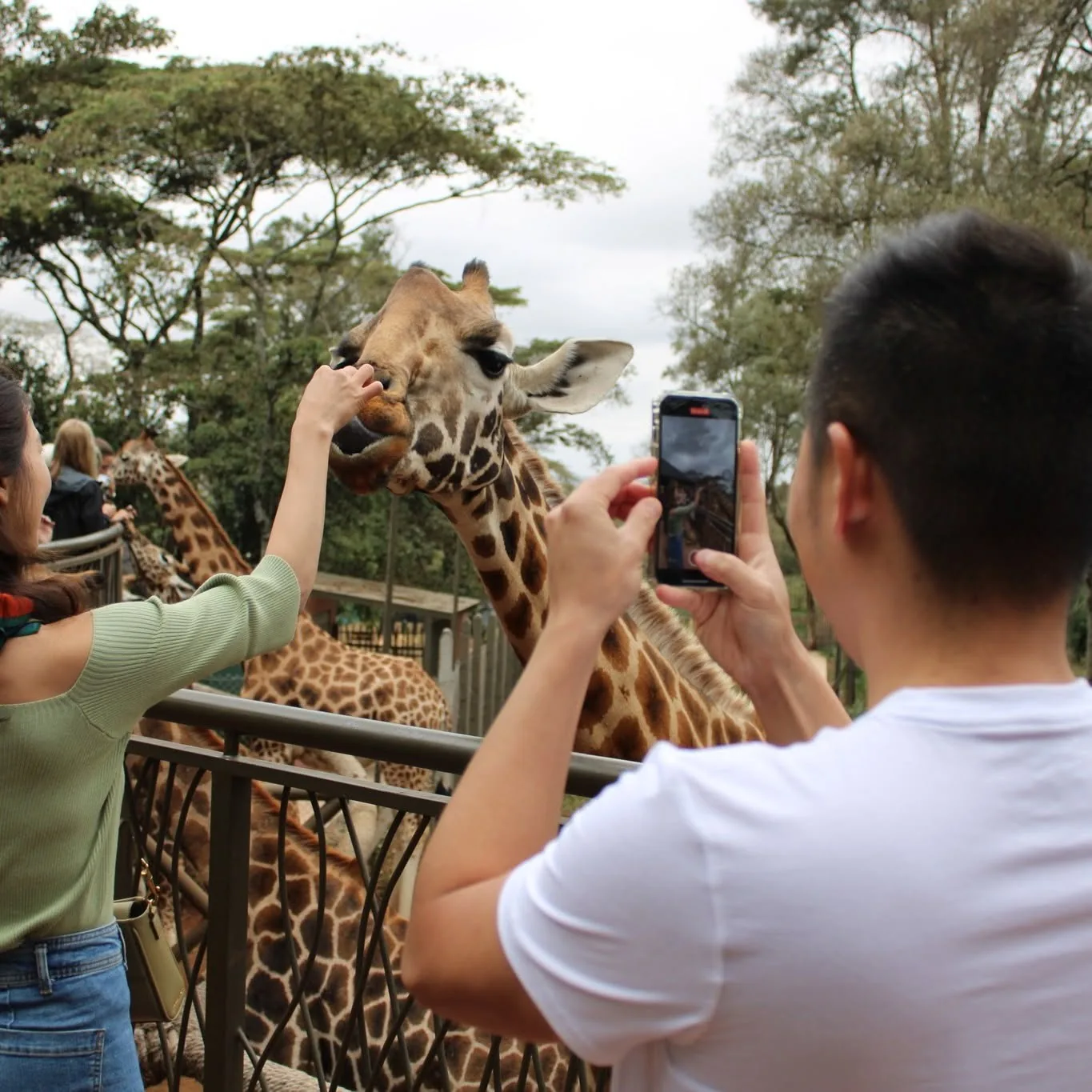
Nairobi. Small group city and park days, no captive animal interaction on the programme.
Northern rangelands operator
Laikipia and Samburu. Camel and walking safaris run with community scouts.