
The same country, planned differently
These are the places we know well enough to advise on. For each one we note what the pressure is, and what we tell operators to do about it.
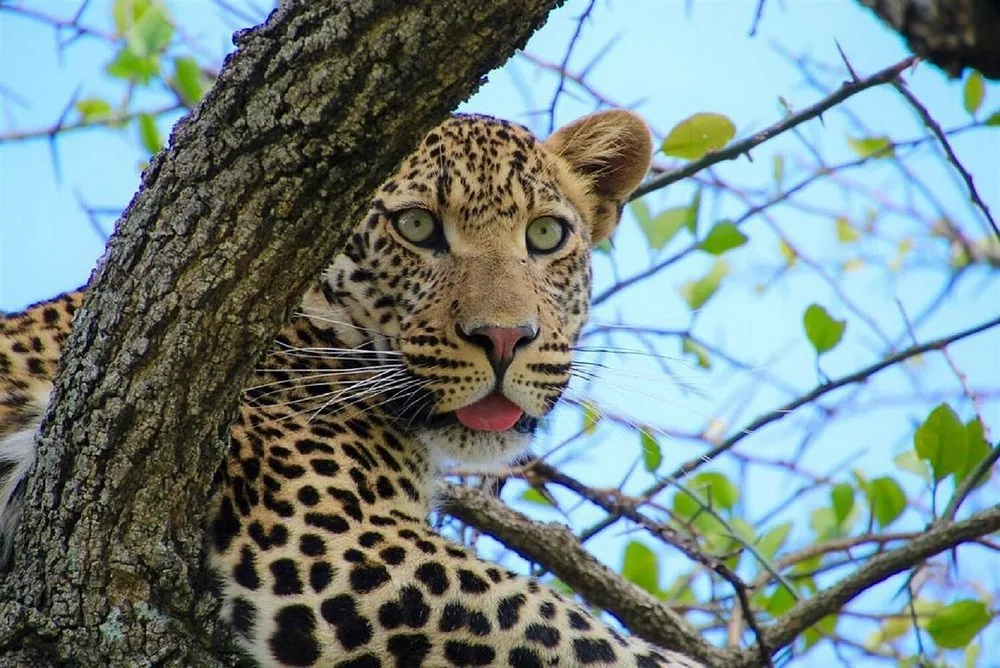
Maasai Mara and the conservancies
Pressure: vehicle crowding in the reserve between July and October.
We route guests into the conservancies for two of four nights and move game drives to first light and late afternoon.
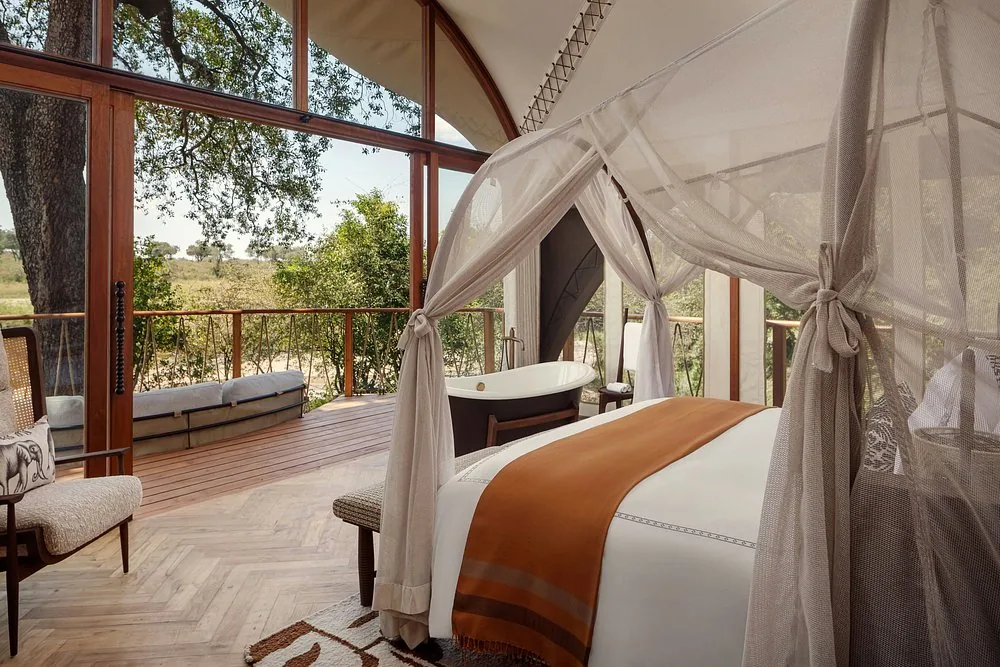
Laikipia and Ol Pejeta country
Pressure: security costs for rhino outrunning tourism income.
Longer stays, higher conservation fees built into the price, and walking or night drives instead of more vehicles.
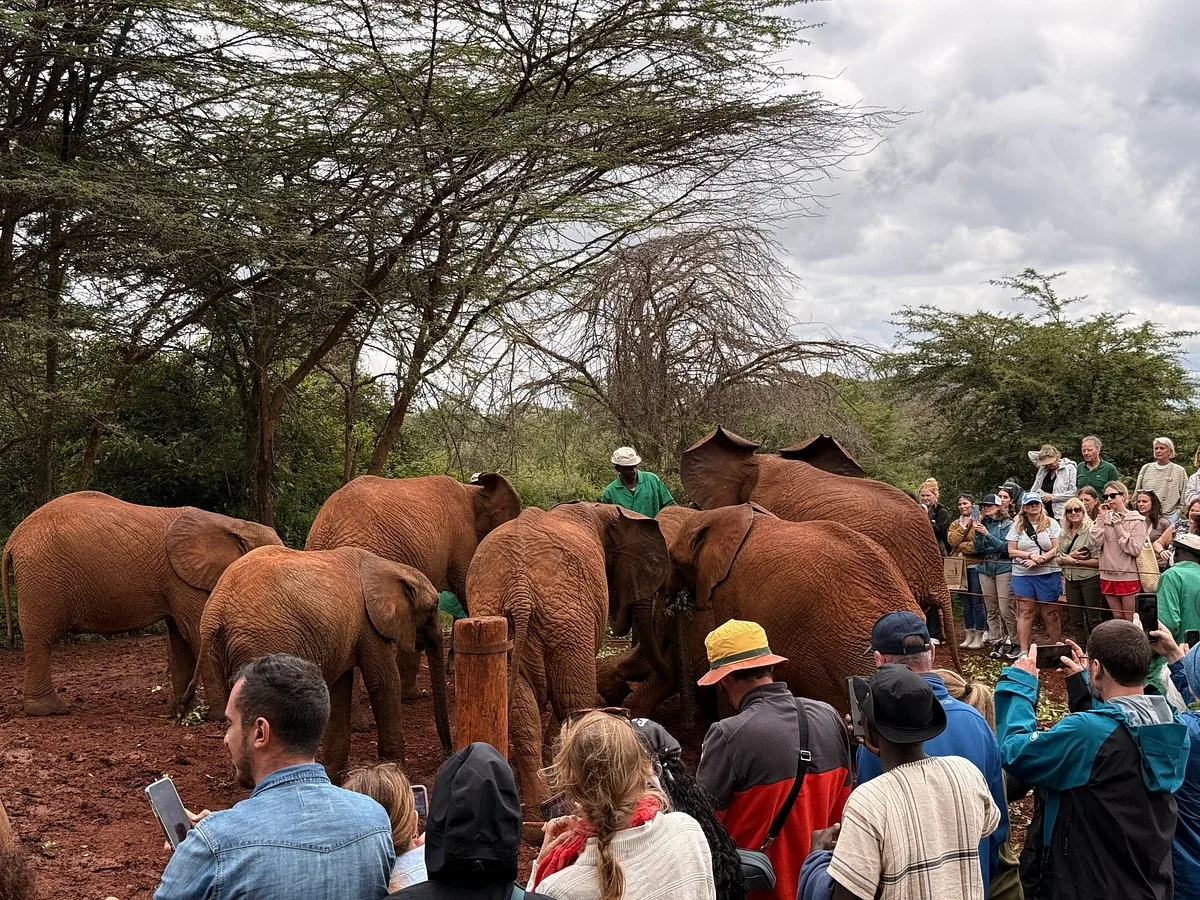
Amboseli and the Kilimanjaro corridors
Pressure: elephants and livestock using the same shrinking corridors.
We push itineraries towards group ranches on the corridor edge so lease income keeps that land unfenced.
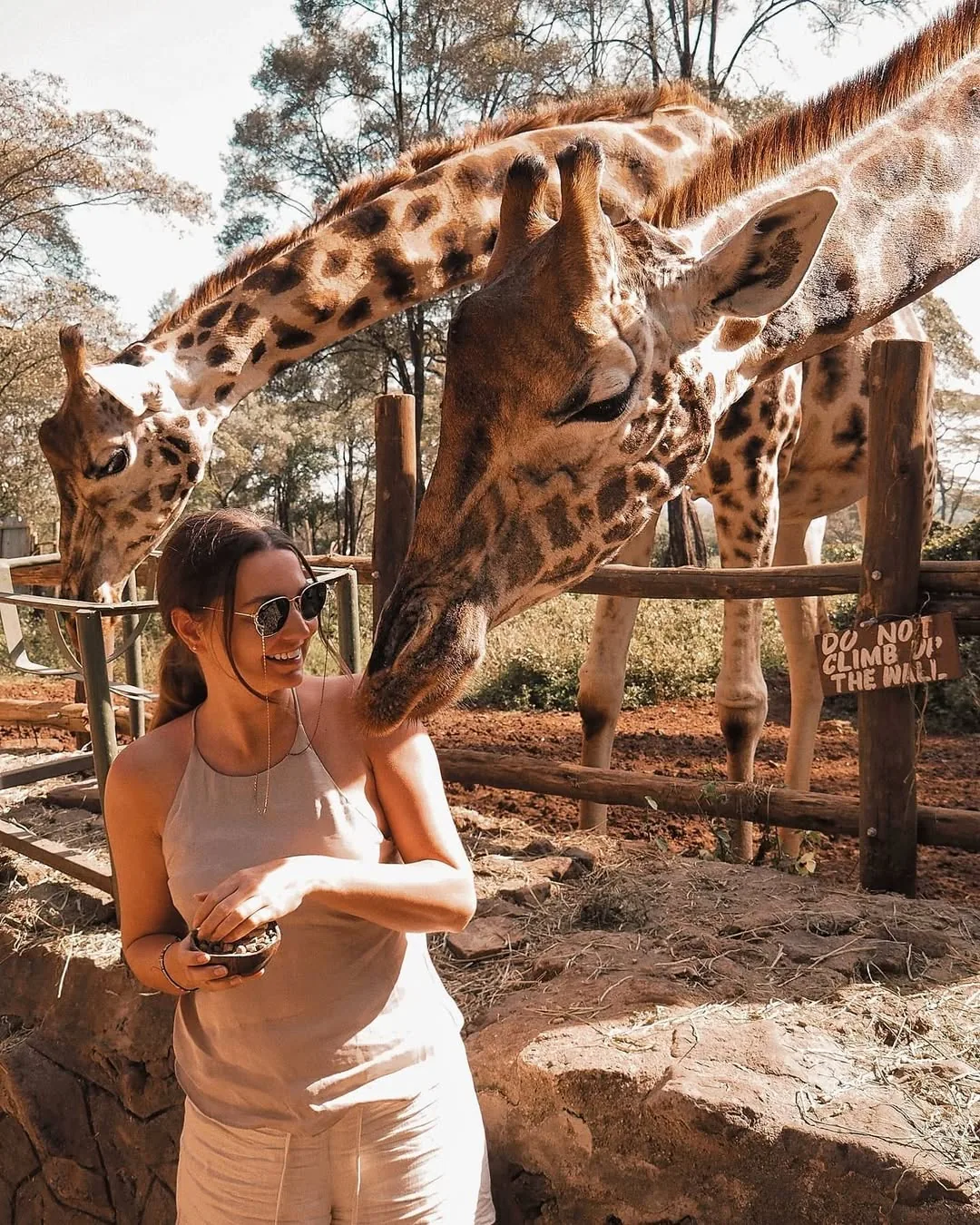
Nairobi
Pressure: one day, too many stops, animal welfare shortcuts.
Two stops a day, no touching, and time added for the museum and the city itself rather than a rushed loop.
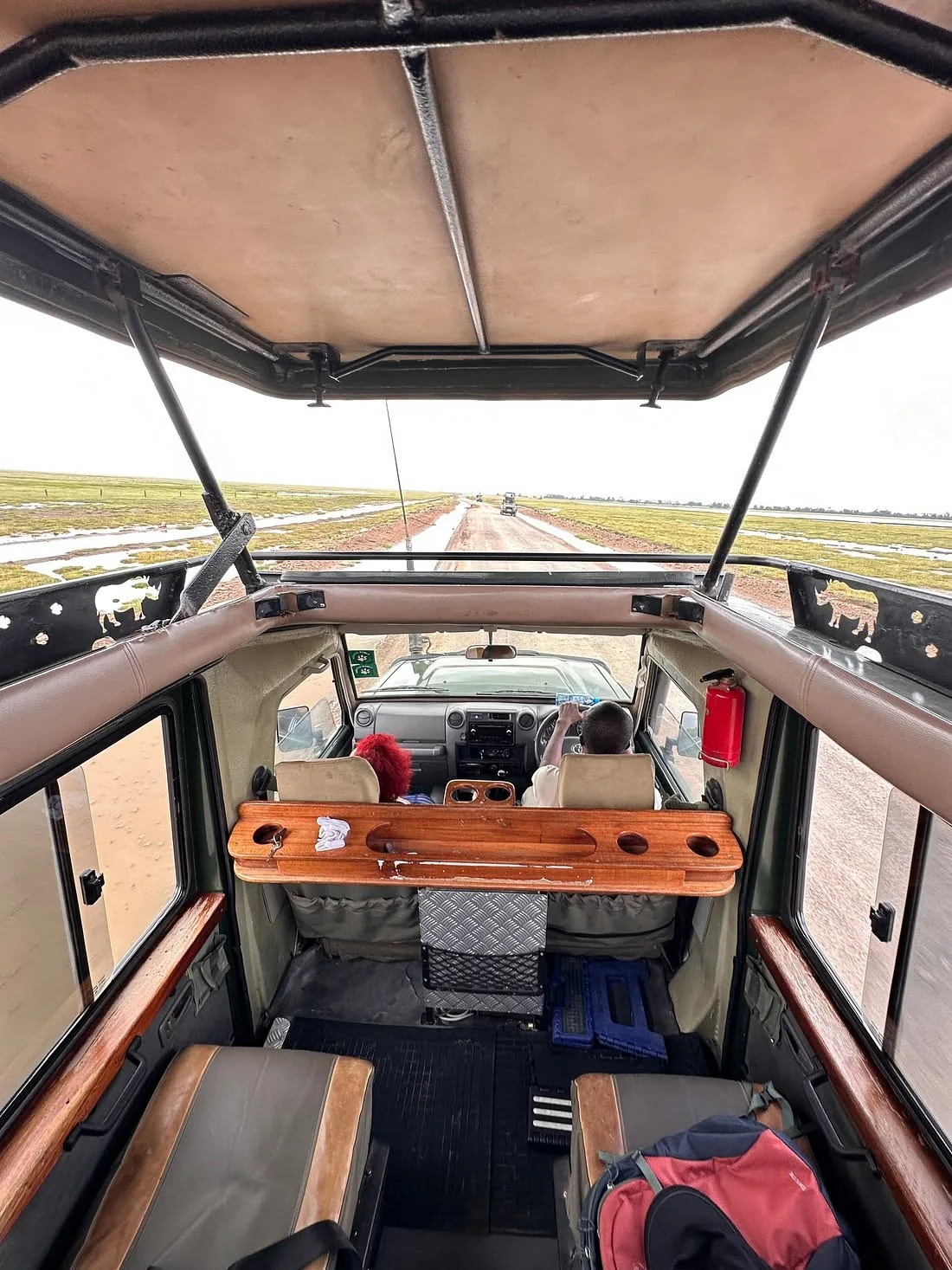
Tsavo and Ndara
Pressure: long distances, rough tracks, water scarcity for camps.
Fewer transfers, three night minimums, and camps that can prove their water use through the dry months.
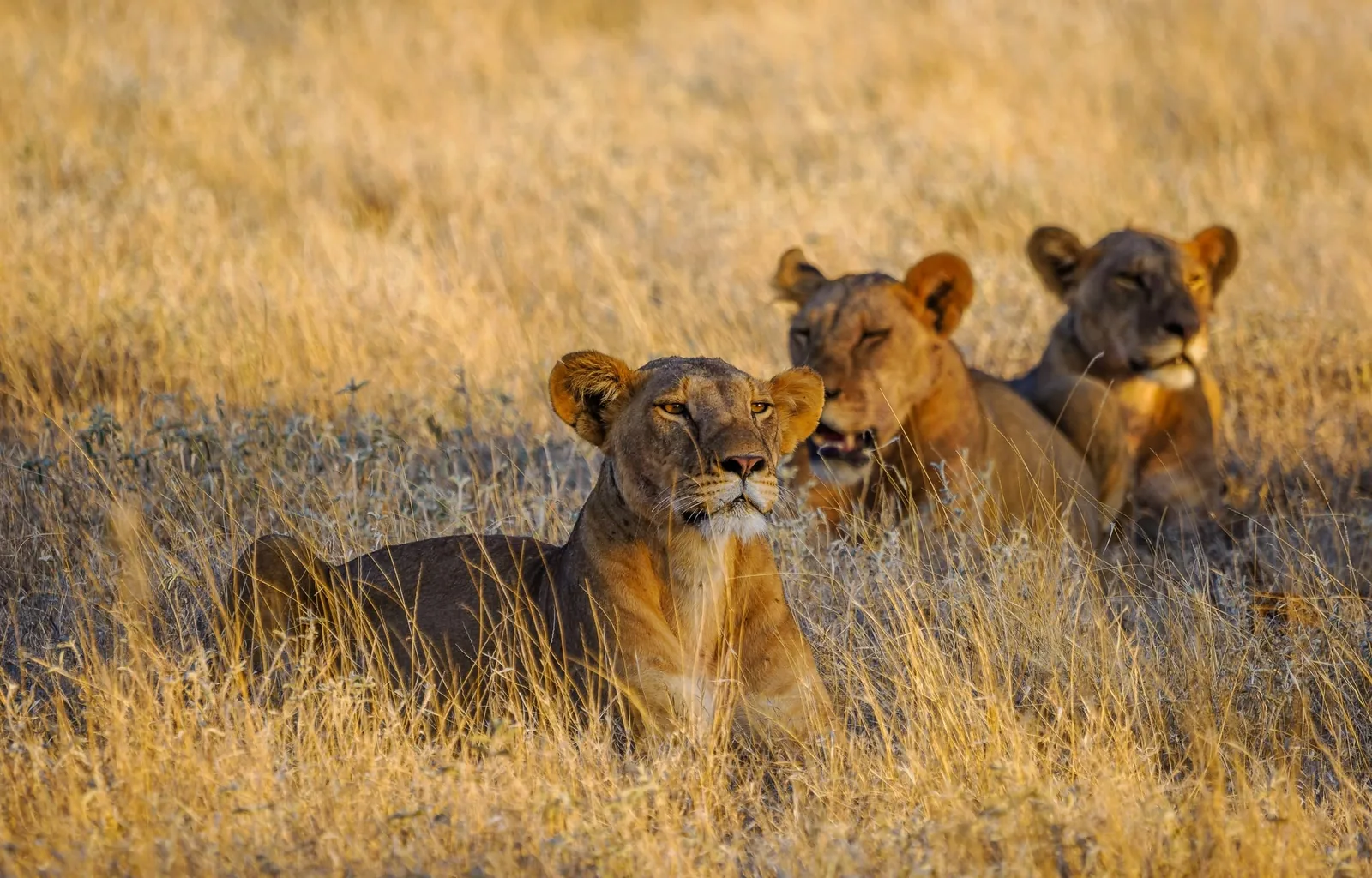
Beyond Kenya
Northern Tanzania, Uganda, Rwanda and Zambia.
We advise on cross border routing, permit planning for gorillas and chimps, and honest pacing between countries.
When to send people, and when not to
April and May are wet, quiet and cheap, and most camps make their staff decisions then. We help operators build products for those months instead of chasing the same six weeks everybody else sells.
January to March. Clear skies, calving in the south, good for first timers.
April to May. Green, empty, best value, some tracks impassable.
July to October. Crossings and crowds. Book conservancies early.
November to December. Short rains, birds arriving, quiet before the holidays.